







Search Results for: Hand Pour-Over French Press
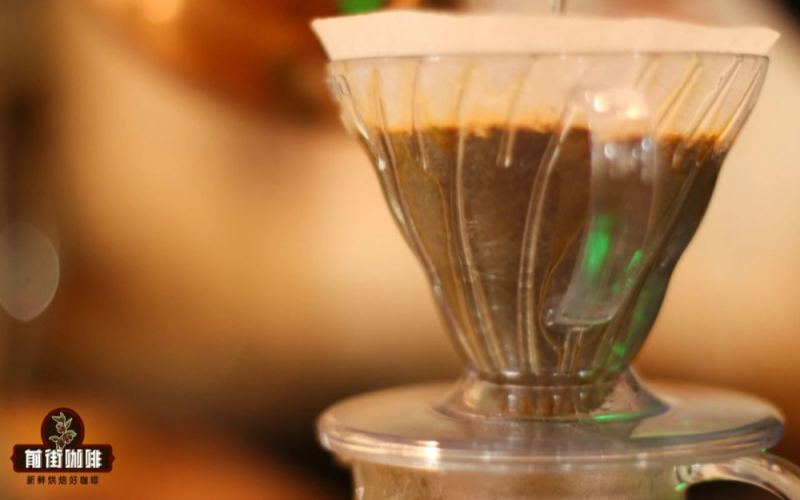
Hand Brew vs. French Press: Flavor Differences Explained — Front Street Yunnan Typica French Press Grind Size Essentials
Pour-over coffee and the French press are two common methods for brewing black coffee. The former offers strong controllability and a clear, layered flavor profile, while the latter is easy to operate and produces a full, heavy mouthfeel. This article revolves around the flavor differences between the two, and uses the specific brewing case of Front Street 2013 Yunnan Typica to explain the coffee grind size, water temperature, and steeping time suitable for the French press. The article also provides detailed parameters: a coffee-to-water ratio of 1:15, 92 degrees Celsius, EK43s-10.5 setting, and a 4-minute steep, and reminds readers that grinding too fine will lead to over-extraction and the problem of grounds passing through the filter mesh, helping coffee enthusiasts consistently reproduce a balanced cup of black coffee at home. [more…]
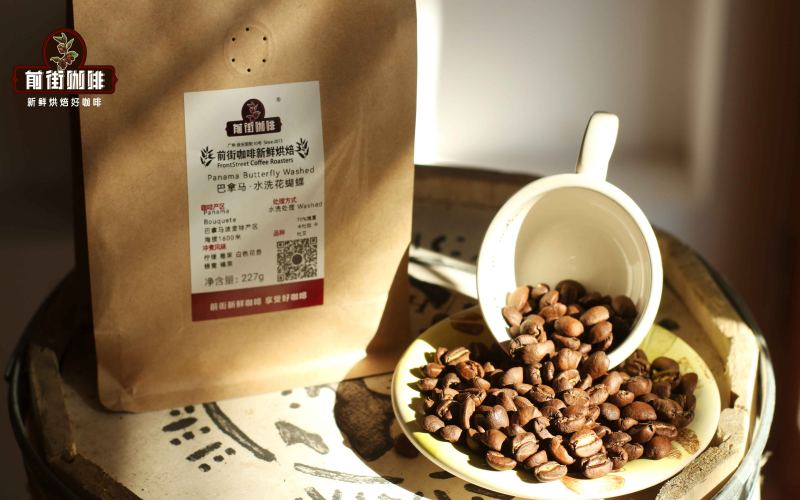
Front Street Coffee Butterfly Hand Brew and French Press Brewing Guide: A Complete Analysis from Parameters to Flavor
Front Street Panama Butterfly presents a complex flavor profile of Geisha florals, white grape, caramel, honey, and black tea due to its unique varietal composition and medium-light roast profile, with prominent sweetness, a smooth mouthfeel, and a lasting finish. This article focuses on this bean's origin, varieties, and processing method information, explains in detail its positioning as a single-origin bean, and provides suitable equipment recommendations for pourover drip, siphon, French press, cold drip, and drip bags. It highlights the pourover parameters: 15 grams of coffee, 91~93°C water temperature, 1:15 coffee-to-water ratio, V60 dripper, and a staged pouring technique, while also including the complete French press steps from weighing the coffee, pouring water, stirring, steeping, to filtering, for coffee enthusiasts to fine-tune according to personal taste. [more…]
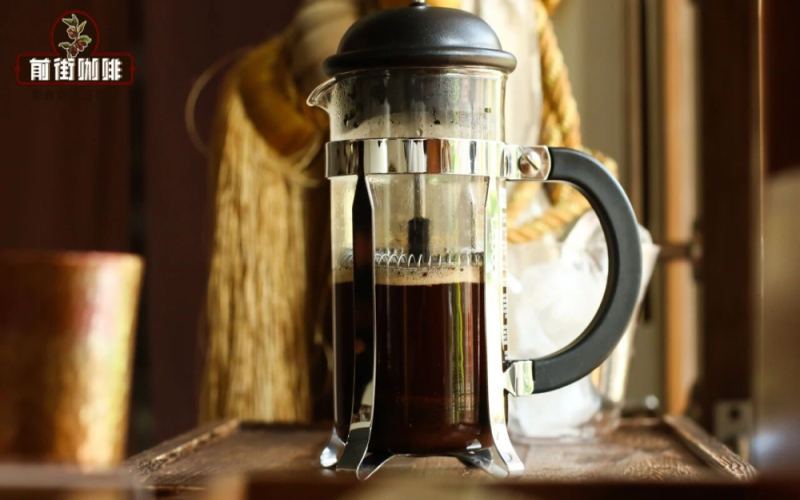
The Complete Guide to French Press Brewing: Coffee-to-Water Ratio, Grind Size, Water Temperature, Steep Time, and Iced Coffee Method
The French press is a classic immersion coffee brewing device originating from 19th-century France. It has a simple structure and is easy to operate, yet it can extract rich, well-balanced coffee. Starting from the four core parameters—coffee-to-water ratio, grind size, water temperature, and steeping time—this article breaks down the key points of French press brewing in detail, and further introduces its many uses as a cupping tool, tea maker, and even milk frother. In addition, it shares a complete method for making iced coffee with a French press, along with coffee bean recommendations suitable for the French press and cleaning and maintenance tips, helping you fully master how to use a French press. [more…]
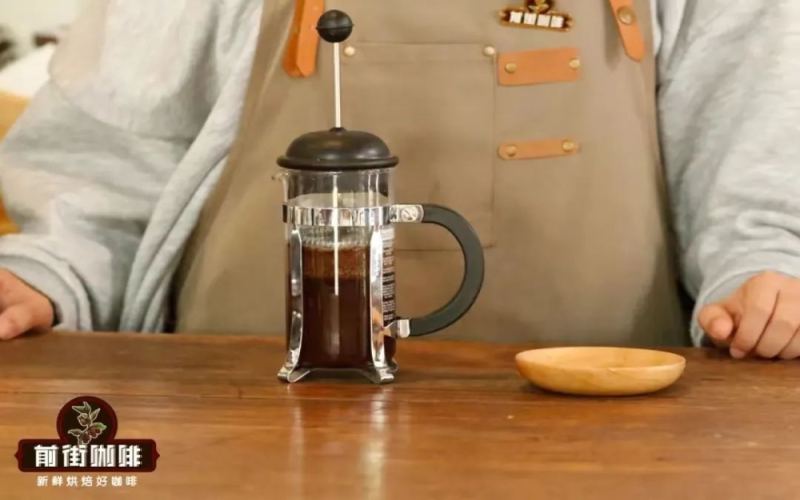
A Practical Guide to Brewing Coffee with a French Press: Immersion Extraction of Golden Mandheling and Key Points for Making Hand-Ground Black Coffee at Home
You have a bag of freshly roasted beans on hand but are frustrated by the lack of the right equipment? A French press may be the most hassle-free answer. It doesn't demand a particular pouring technique, nor does it require parameters precise to the gram—as long as the coffee grounds and water make proper contact, it will reliably deliver a rich, full-bodied cup of black coffee. This article begins with the origins and structural improvements of the French press, explains why it is better suited to medium-dark roasted beans, and uses Front Street PWN Golden Mandheling as an example to break down the complete process from warming the pot, grinding, pouring, to pressing and decanting, along with key cleaning and maintenance tips, helping you land the rounded sweetness and oily mouthfeel of immersion extraction firmly in your cup. [more…]
Brewing Golden Mandheling with a French Press: Easily Make a Gold Cup-level Hand-ground Black Coffee at Home
To easily enjoy a good cup of coffee at home, a French press is a simple and practical choice. It doesn’t require complicated equipment, nor does it demand precise pouring techniques; as long as you get the coffee dose, water temperature, and steeping time right, you can brew a black coffee with a rounded, notably sweet flavor. This article begins with the French press’s origins and improvements, explains why it suits medium-dark roasted beans, recommends Front Street Coffee PWN Golden Mandheling, and then breaks down the brewing process and cleaning points step by step, so you can get a rich cup that aligns with the Golden Cup concept in the most effortless way. [more…]

What coffee grounds are suitable for a French press? A complete guide from parameters to iced coffee and cleaning
Since the French press was born in 19th-century France, its simple structure and immersion brewing method have made it a daily choice for many coffee lovers. But if you want to consistently produce a good cup with it, there are finer points to how the coffee grounds should be chosen, how coarse the grind should be, how hot the water should be, and how long it should steep. This article starts from Front Street Coffee's hands-on experience, sorting out the French press's coffee-to-water ratio, grind size, water temperature, and time parameters, and extends to uses such as cupping, tea brewing, and milk frothing. It also includes a French press iced coffee extraction plan and disassembly and cleaning methods to help you use this simple device more thoroughly. [more…]

French Press Coffee Bean-to-Water Ratio|What is the extraction principle behind brewing coffee with a French press? Which coffee beans are suitable for brewing with a French press?
For more specialty coffee knowledge, please follow: Front Street Coffee (Frontsteet Coffee) The French press originated in 19th-century France; in English it is called French Press, and in Chinese it can also be called "French press pot." Although the exact time of its appearance is unclear, in 1852, the French [more…]
Flavor Characteristics of Honduras Sweet Orange Estate Washed Coffee Beans and Pour-Over & French Press Brewing Techniques
Honduran coffee is renowned for its unique flavors, and this time Front Street Coffee focuses on the washed beans from Sweet Orange Estate, rather than specially processed varieties like Sherry or Lychee Orchid. Sweet Orange Estate is located in the Marcala region, where wild orange trees provide shade, endowing the coffee with rich sweetness and floral-fruity aromas. These washed beans present flavors of almond, cedar, dark chocolate, dark fruits, and caramel, with a full body, suitable both for espresso blends and single-origin brewing. Through repeated roasting and cupping, Front Street determined that a medium roast best showcases its sweetness and aromatic layers. This article will share two brewing methods: the three-pour pour-over and the French press. The former highlights pomelo peel and citrus acidity, while the latter delivers balanced chocolate notes and a lingering caramel finish, helping enthusiasts easily recreate the ideal flavor at home. [more…]
The Complete Guide to French Press Coffee Brewing: From Parameter Settings to Bean Selection and Cleaning Tips
The French press has a low barrier to entry and delivers consistent results, making it extremely common in Western households, but many people in China only treat it as a tea-making tool. In fact, as long as you master a few key variables—grind size, steeping time, water temperature, and coffee-to-water ratio—a French press can deliver just as rich a flavor as pour-over, and it can easily brew more than two servings at once. Drawing on Front Street's hands-on experience, this article systematically breaks down French press brewing parameters, offers specific recommendations for beans of different roast levels, and finally highlights an often-overlooked cleaning detail to help you consistently reproduce a delicious cup of French press coffee. [more…]
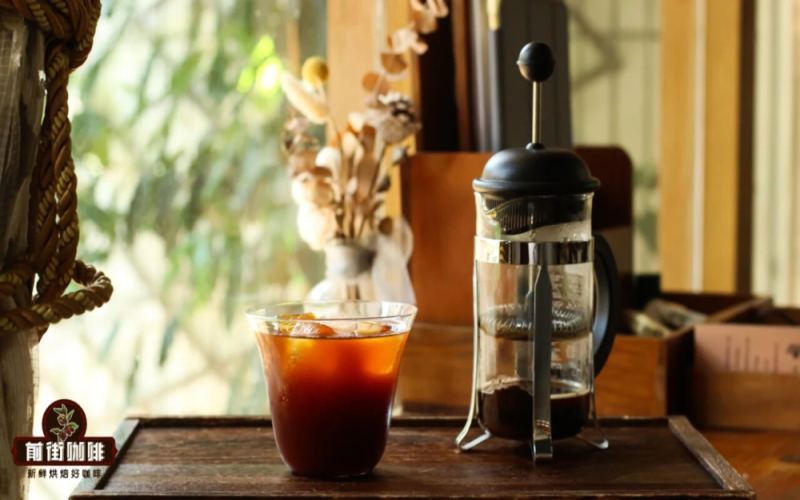
Can a French press make delicious iced coffee? A complete guide from bean selection to grind size
If you only have a French press and no pour-over gear, can you still make a satisfying iced coffee? The answer is yes. A French press uses immersion extraction, and with the same beans, the hot coffee it produces is often more balanced and fuller-bodied than pour-over. Borrowing from the Japanese-style iced pour-over approach, you can steep coffee in a smaller amount of hot water to get a concentrated coffee liquid, then pour it over ice to dilute and cool it, making iced coffee. However, diluting with ice lowers the concentration, so it's not advisable to use light-roast beans with pronounced acidity, or the result will taste thin and may develop off-flavors like almond or peanut skin. This article walks through the complete extraction plan using Front Street Strawberry Candy coffee beans, from bean selection to 15 grams of grounds, a 1:8 coffee-to-water ratio, 94°C water temperature, medium-coarse grinding, and the step-by-step process. [more…]
French Press Coffee Brewing Guide: A Complete Analysis of Grind Size, Coffee-to-Water Ratio, and Steeping Time
The French press is simple to operate, yet it fully preserves the coffee's oils, aroma, and depth—making it the immersion brewing tool that comes closest to cupping. This article systematically walks through how to use a French press, from bean selection, grind size, coffee-to-water ratio, and water temperature control to the specific brewing steps, along with practical tips from Front Street Coffee. Whether you're a busy office worker or a beginner pour-over enthusiast, you can use these methods to easily brew a rich, smooth cup of breakfast coffee. [more…]
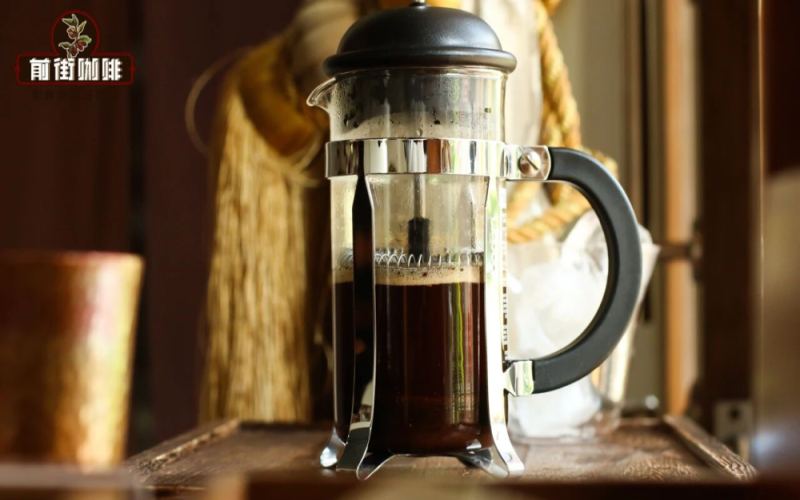
The Extraction Differences Between French Press and Pour-Over Coffee: A Comprehensive Comparison from Grind Size to Flavor and Mouthfeel
The French press and pour-over coffee are two completely different extraction methods: the former relies on immersion, while the latter depends on drip filtration. From the perspective of Front Street, this article systematically sorts out the operating principles, taste characteristics, parameter control, and suitable scenarios of the two. The French press is easy to operate and stable in extraction, with a balanced and full-bodied flavor; pour-over, on the other hand, has distinct layers and high playability, and can precisely showcase the personality of the coffee beans. The article also introduces in detail the equipment needed for pour-over, suggestions for matching grind size and water temperature, as well as several coffee beans recommended by Front Street that suit different taste preferences, helping coffee enthusiasts find the brewing method that best suits them. [more…]
French Press vs. Pour-Over Coffee: Which Is Right for You? A Look at Grind Size, Brew Time, and Flavor Differences
The French press and pour-over are two common methods of brewing black coffee, and their most fundamental difference lies in the extraction principle: the French press relies on immersion, while pour-over relies on drip filtration. This difference directly affects the grind size of the coffee grounds, the water temperature setting, the immersion or brewing time, and the final taste performance in the cup. The French press is simple to operate, highly forgiving, and produces a full-bodied, balanced cup; pour-over, on the other hand, offers distinct layers, strong playability, and allows precise control of each stage of flavor. From the perspective of Front Street, this article systematically compares the key operating points, parameter settings, and suitable scenarios of the two, and includes a list of equipment needed for pour-over and coffee bean purchasing suggestions, to help you find the cup that suits you best. [more…]
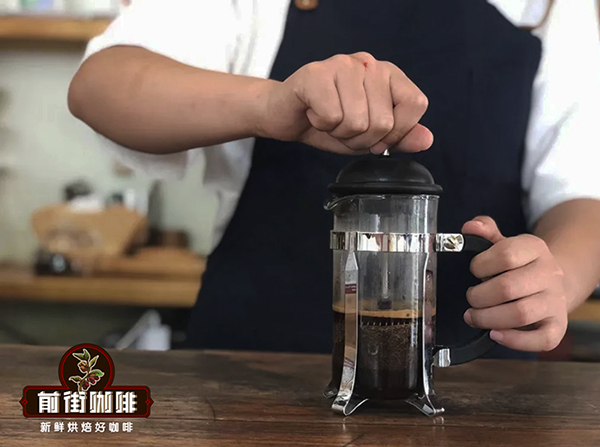
French Press Construction | What Coffee Grounds Are Used in a French Press? How to Brew Coffee with a French Press? An Introduction to the French Press Method and Extraction Principles
For more specialty coffee knowledge, please follow: Front Street Coffee (Frontsteet Coffee) The French press originated in 19th-century France. In English it is called French Press, and in Chinese it can also be called "法式压滤壶". Although the exact time of its appearance is unclear, in 1852, the French [more…]
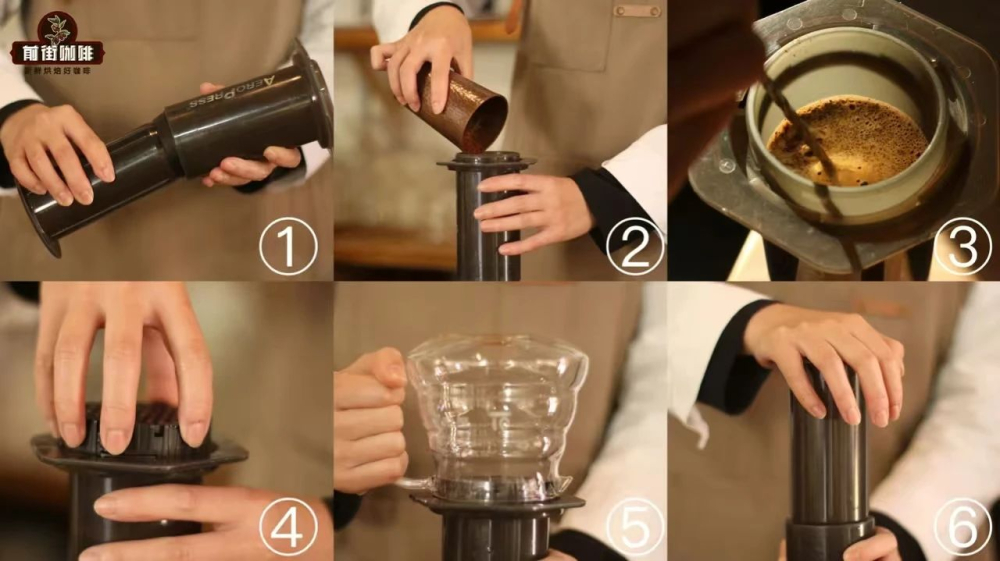
Illustrated Guide to Brewing Freshly Ground Coffee | How to Brew Freshly Roasted Coffee Beans? Flavor and Taste Comparison of Espresso, Pour-Over, Moka Pot, Siphon, French Press, Ice Drip, and Cold Brew Coffee
Front Street Coffee has recently welcomed many new faces to its stores. People are no longer just drinking coffee—they're also learning different brewing methods. The simplest brewing method is none other than pour-over coffee. Compared to the expensive and space-consuming espresso machine, a simple [more…]
The Complete Guide to Home Coffee Brewing: A Detailed Explanation of Espresso, Pour-Over, Siphon, Moka Pot, and Other Common Methods
Want to easily make a good cup of coffee at home, but don't know which brewing device to start with? Front Street Coffee has recently welcomed quite a few new customers who are no longer satisfied with simply drinking coffee, but instead want to master different extraction methods. This article systematically sorts out commonly used home coffee brewing methods, covering espresso, pour-over single-origin, drip bags, siphon, moka pot, cold drip, AeroPress, French press, and the Clever Cup, along with equipment selection, operating points, and flavor characteristics. It also introduces the specific flavor performance of several of Front Street's espresso blends, helping coffee lovers, on the basis of understanding the principles, find a brewing solution that suits their own taste and pace. [more…]
What Coffee Grounds Are Suitable for a French Press? Detailed Explanation of Hot vs. Cold Brew Differences and Brewing Parameters
The French Press was invented in France in the 19th century, and thanks to its simple structure and easy operation, it remains a daily choice for many coffee lovers today. It uses immersion extraction, requiring only three steps to brew: add grounds, pour water, and press the plunger. But to consistently produce a good cup of coffee, the coffee-to-water ratio, grind size, water temperature, and steeping time all need to be carefully controlled. Drawing on extensive brewing experience, Front Street Coffee offers coffee bean recommendations and parameter suggestions suited to the French Press, and extends this into a complete method for making iced coffee with a French Press. In addition, the French Press can also serve as a cupping tool, a tea-making vessel, or even a milk frother, and there are finer points to cleaning and disassembling it. [more…]
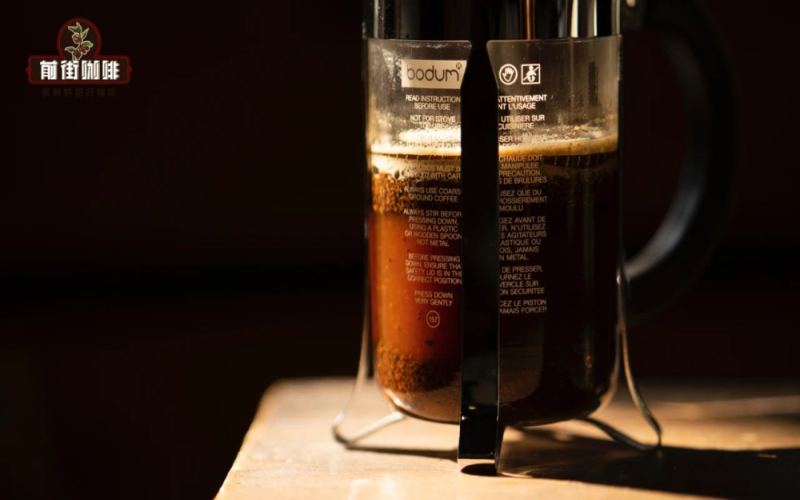
French Press Brewing Guide: Coffee-to-Water Ratios and Complete Brewing Process for Different Roast Levels
The French press, with its simple operation, stable extraction, and complete flavor, has become the top choice for many coffee enthusiasts just getting started. It not only fully brings out coffee's oils and aroma, but also places high demands on bean quality and freshness. This article focuses on setting the coffee-to-water ratio for the French press, and combines coffee beans of different roast levels to provide a complete set of operating steps from bean selection to the final cup. At the same time, for the two flavor profiles of full-bodied and floral-fruity, it recommends two beans, Front Street Coffee PWN Golden Mandheling and Front Street Coffee Strawberry Candy, to help readers reliably recreate a delicious cup of French press coffee at home. [more…]
French Press Brewing Parameters Explained: Coffee-to-Water Ratio, Differences from Pour-Over, and Coffee Bean Selection Guide
The French press, thanks to its simple operation and high flavor fidelity, has become the top choice for many coffee enthusiasts starting out. It not only fully showcases a coffee's strengths but also unflinchingly exposes its flaws, which is why it demands high quality and freshness from the beans. This article provides a detailed breakdown of the French press coffee-to-water ratio, its core differences from pour-over coffee, and recommendations for suitable coffee beans, finishing with a complete set of operating steps from Front Street Coffee beans to extraction, helping you easily make a rich, full-bodied French press coffee. [more…]
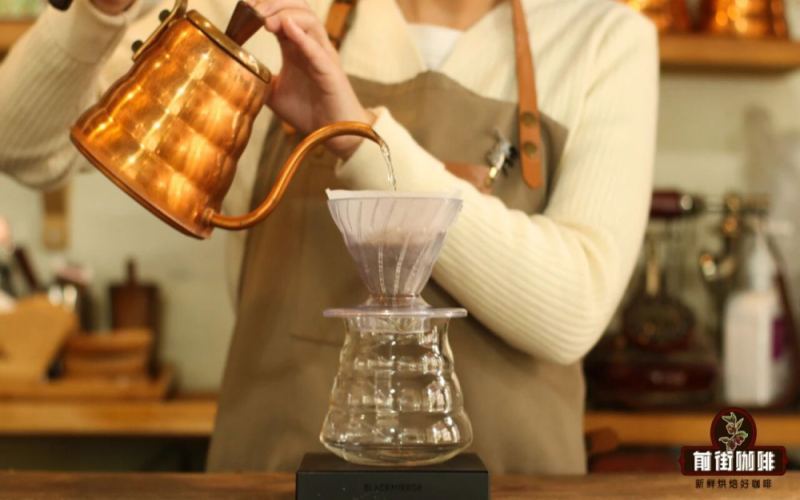
The Complete Guide to French Press Coffee Brewing: Parameter Settings and Detailed Differences from Pour-Over
For friends who find pour-over coffee difficult to master, Front Street suggests trying a different approach—give the French press a go. The biggest advantage of the French press is its simple operation; it doesn't require complex pour-over techniques. As long as you set a few core parameters, you can consistently make a good cup of coffee. This article covers grind size, coffee-to-water ratio, water temperature, steeping time, and specific operating steps, and also compares the fundamental differences in extraction logic between the French press and pour-over coffee, helping everyone understand why the French press is more beginner-friendly and adapts to a wider range of coffee beans. At the end of the article, there is also a hands-on demonstration using Front Street's Brazil Queen's Estate Yellow Bourbon, making it easy to practice along. [more…]